
Municipal recreation infrastructure is under pressure.
Communities are growing. Facility schedules are full. Aging arenas and gyms require upgrades. And residents expect year-round access to safe, functional spaces for sports, programs, and events.
At the same time, municipalities are being asked to do more with limited capital budgets and tight project timelines.
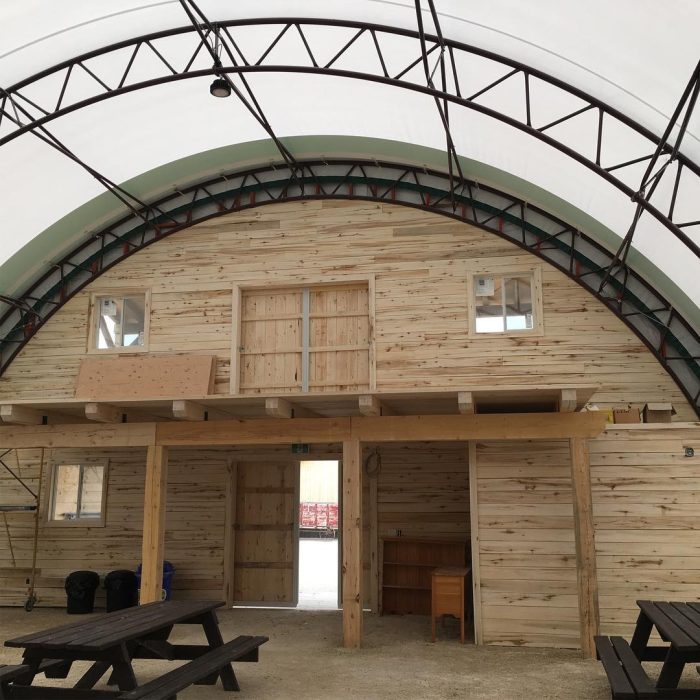
That’s why more local governments are exploring fabric building structures like FastCover as a practical solution for expanding recreation capacity—without the cost and complexity of traditional construction.
This article outlines how fabric buildings can support municipal recreation goals, where they work best, and what to consider when planning a community-focused structure.
Recreation Demand Often Outpaces Facility Space
Most municipalities face some version of the same issue:
- Existing recreation centres are booked solid
- Youth sports participation continues to rise
- Seasonal programming needs indoor space
- Community groups require flexible gathering areas
- Permanent expansion projects take years to plan and fund
The result is often a gap between what residents want and what the current infrastructure can support.
FastCover fabric buildings provide a way to add usable space faster—while maintaining durability and long-term value.
Why Fabric Buildings Work for Municipal Recreation Applications
Fabric structures are no longer temporary shelters. Modern engineered fabric buildings are used across Canada for public, commercial, and industrial applications because they offer:
- Large clear-span interiors
- Fast installation timelines
- Lower cost per square foot than traditional builds
- Flexibility for different program needs
- Code-compliant design for snow and wind loads
For municipalities, the appeal is straightforward: more recreation space, delivered efficiently.
Practical Uses for FastCover Buildings as Recreation Facilities
-
Multi-Sport Indoor Courts and Training Space
Many communities need additional indoor space for:
- Youth sports practices
- Pickleball and tennis courts
- Indoor soccer or turf training
- Seasonal recreation programming
FastCover buildings can be designed with the width and height needed for clear play areas, with options for insulation, lighting, and ventilation.
-
Covered Community Event and Program Space
Not every recreation need is a full arena. Municipalities often require flexible indoor space for:
- Community markets
- Fitness classes
- Day camps
- Public gatherings
- Cultural or seasonal events
A fabric building offers adaptable square footage that can serve multiple purposes throughout the year.
-
Expansion Space for Existing RecreationCentres
When a community centre is already operating at capacity, fabric buildings can provide an extension without requiring a complete rebuild.
They can be used as:
- Overflow programming space
- Temporary space during renovations
- Seasonal expansions for peak demand
This allows municipalities to scale infrastructure gradually rather than committing immediately to major capital projects.
-
Ice Rink Covers and Seasonal Recreation Structures
In colder climates, communities often want to extend the usability of outdoor rinks or recreation surfaces.
Fabric buildings can provide covered seasonal protection that improves:
- Ice quality
- User comfort
- Weather resilience
- Operational reliability
-
Storage and Support Space for Recreation Operations
Recreation facilities also require space behind the scenes:
- Equipment storage
- Maintenance bays
- Fleet and parks storage
- Program supplies
Fabric buildings are an efficient way to add operational space without consuming premium indoor facility square footage.
Key Benefits for Municipal Decision-Makers
Faster Delivery Than Traditional Construction
Recreation demand doesn’t wait for multi-year building cycles.
FastCover structures can be installed significantly faster than conventional builds, helping municipalities respond quickly to growth, scheduling pressure, or facility constraints.
Cost-Effective Use of Capital Budgets
Fabric buildings typically offer a lower cost per square foot than permanent steel or masonry construction, allowing municipalities to:
- Expand recreation capacity sooner
- Stretch capital dollars further
- Invest in programming rather than only infrastructure
Flexible Design for Community Needs
Municipal recreation space needs change over time.
FastCover buildings can be customized with:
- Insulation and heating
- Ventilation and air circulation
- Multiple access points
- Lighting for sports use
- Long-span layouts with no interior columns
This flexibility supports multi-use planning and long-term adaptability.
Built for Canadian Weather Conditions
Municipal structures must be reliable year-round.
FastCover buildings are engineered to meet applicable building codes and are designed for:
- Heavy snow loads
- High wind exposure
- Long-term durability in harsh climates
Scalable Infrastructure That Can Grow Over Time
Fabric buildings are modular and can be extended to virtually unlimited lengths, making them a practical solution for municipalities that want to expand recreation space in phases.
Planning Considerations for Municipal Recreation Projects
When evaluating a fabric recreation facility, municipalities should consider:
- Intended programming and user groups
- Seasonal vs year-round operation
- Heating and insulation requirements
- Site access and foundation needs
- Future expansion plans
The most successful projects are those designed around community use, not just square footage.
A Practical Path to More Community Recreation Space
For municipalities, the goal is simple: provide residents with accessible, reliable spaces to gather, play, train, and participate in community life.
FastCover fabric buildings offer a proven way to expand recreation infrastructure efficiently. Delivering flexible, durable space without the timeline and cost barriers of traditional construction.
Whether used for sports courts, event programming, seasonal rink covers, or operational support, fabric structures are becoming a valuable tool for municipalities planning for growth.